Small tools. A clear purpose.
A cupboard you can finally see into. A hose that is easy to put away. Discover practical solutions, starting with the problem they solve.
Rechargeable motion-sensor lights
Useful when the light is easy to mount, reliably detects your approach and can be removed for charging.
Explore the featured find →
Three familiar frustrations, three starting points.
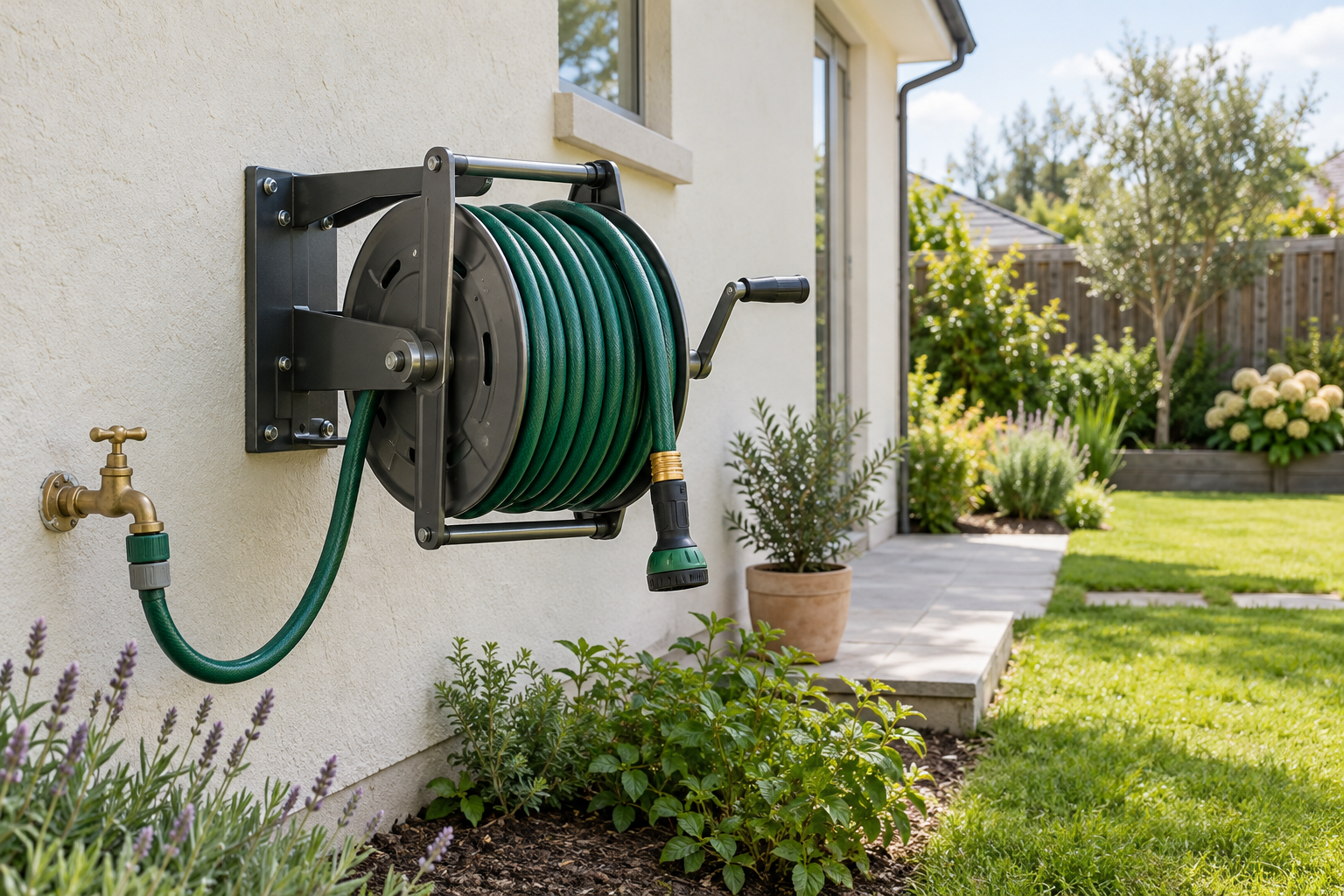
The hose that never gets put away
A reel helps only when its position, capacity and rewinding effort suit your routine.
Read the guide →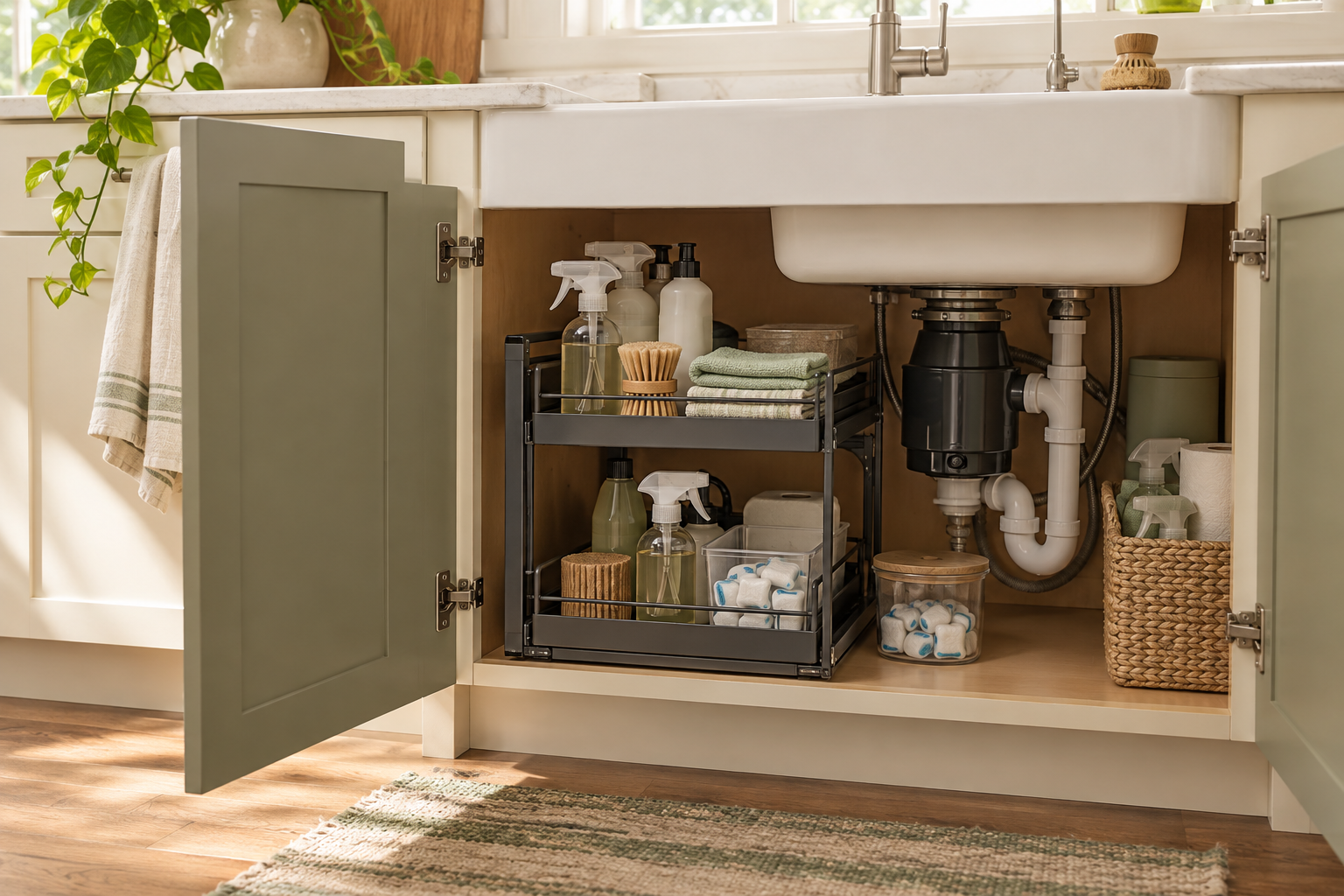
The bottles hidden behind pipes
Compare organizer layouts using the actual plumbing and cabinet opening.
Read the guide →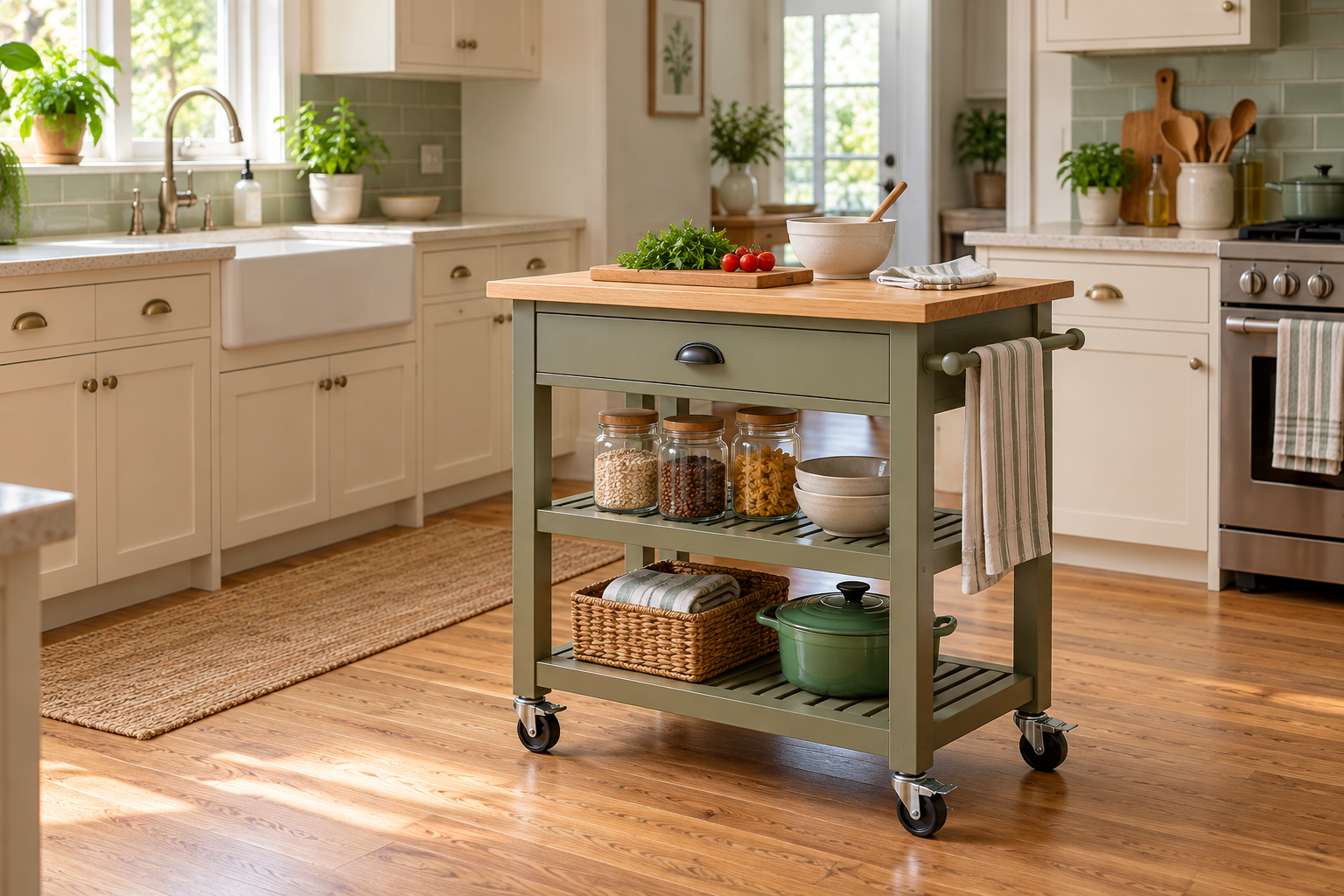
The kitchen without a spare surface
A mobile work surface needs the right dimensions, wheel setup and parking space.
Read the guide →Look beyond the clever demonstration.
Use these checks to turn an interesting idea into a useful decision.
Time savers: count setup and cleanup too
Compare the whole task from taking the item out to putting it away. A tool that speeds up one step may need extra assembly, washing or charging. Choose it when the repeated benefit outweighs those steps at the frequency you will actually use it.
Problem solvers: name the exact constraint
Write a simple sentence: “I cannot reach the bottles behind the pipe,” or “I need light without reaching for a switch.” Check whether the product addresses that constraint. A second shelf does not solve a blocked drawer, and greater brightness does not fix a sensor pointing the wrong way.
Space savers: include the storage footprint
Measure the item in use and when stored, including detachable parts. Consider whether it replaces something or simply adds another object. A folding product can still be awkward if its folded shape does not fit the cupboard or carrying route.
Smart convenience: plan for the boring parts
Check charging access, controls, replacement parts and how the item works when its battery runs low. Prefer a setup you can maintain without rearranging the room. Follow the manufacturer’s battery and charging instructions, and verify whether any advertised functions require an account or subscription.
Handy tools: check grip, access and compatibility
Match the tool to the job and confirm sizes, fittings or mounting surfaces. Think about how you will hold it in a cramped space, how it will be cleaned and whether consumable parts are easy to find. A kit with many attachments is useful only if the attachments match work you actually do.
Useful gifts: choose for someone’s routine
Start with a known hobby or repeated inconvenience. Check the recipient’s space, existing equipment and preferences. Favor a simple return policy and avoid choosing a gadget that creates maintenance, compatibility or subscription commitments they did not ask for.
Keep the promise small and measurable.
- Name one task you want to make easier.
- Check the dimensions and compatibility.
- Account for setup, cleaning, charging and storage.
- Read the limitations as carefully as the benefits.
- Choose the simplest option that meets the need.
Our guides compare designs and tradeoffs. Generic illustrative images are not evidence of hands-on testing or a specific branded product.