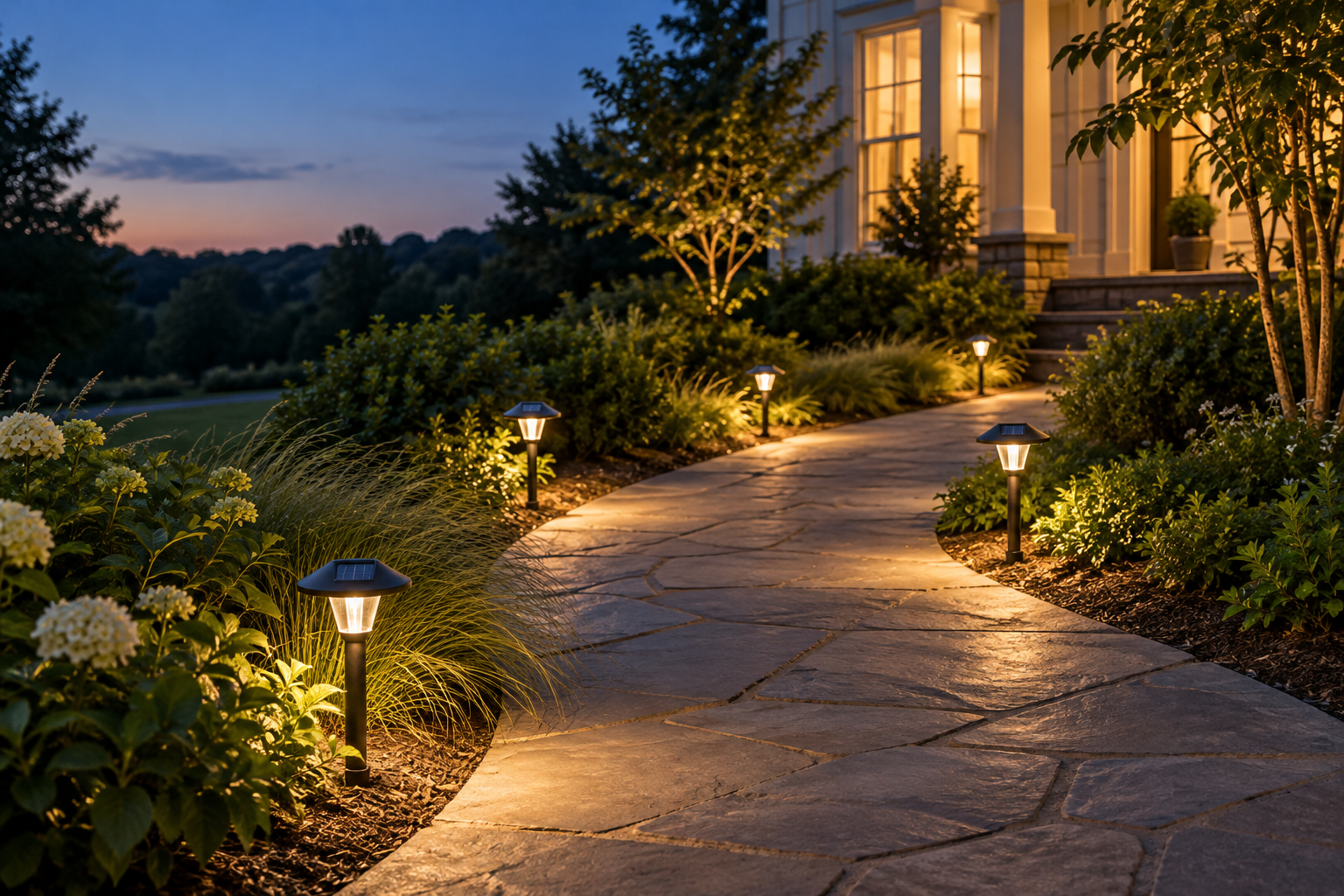
Choose solar lights by the job: a soft garden edge or controllable path lighting. These two examples serve different needs; neither replaces a proper lighting plan for steps.
Two options, two different needs

GIGALUMI Grid Solar Pathway Lights
Warm-white stake lights for marking a garden border. The brand lists 3 lumens per light and an IP44 rating.
Check first: This is accent lighting, not dependable illumination for steps or trip hazards. Check pack size and charging exposure.
View at GIGALUMI ↗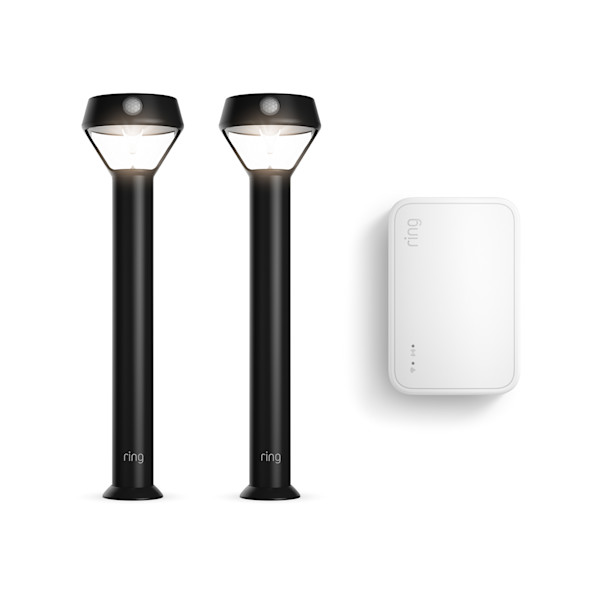
Ring Solar Pathlight 2-Pack + Bridge
A solar pathlight kit with adjustable brightness and motion settings. This bundle includes the Bridge (2nd Gen).
Check first: Smart features need a compatible hub and setup. Confirm regional support and direct sunlight at each light.
View at Ring ↗Research-based examples, not hands-on test winners. Product images and specifications: the linked brands. These are regular product links; we earn no commission from them. Checked November 4, 2026. Confirm the exact variant, current price, and delivery at the store.
Choose at a glance
| Your priority | Start with | Main tradeoff |
|---|---|---|
| A gentle border glow | GIGALUMI Grid | 3 lumens per light; decorative use |
| App settings and motion response | Ring Solar Pathlight kit | Hub, setup, and regional compatibility |
| Steps or uneven surfaces | Purpose-built step or directed lighting | Do not rely on small decorative stakes |
Before you buy
- Decide whether you need decoration, wayfinding, or hazard lighting.
- Check stated lumens, beam direction, and the exact outdoor rating.
- Confirm direct sun, battery details, and any hub requirements.
- Test a small section after dark before placing the whole set.
Only need the details? Open a topic.
Brightness, beam, and light color
Choose the job before the style. Lumens describe output; LED count does not. A downward, shielded beam helps put light on the path rather than in your eyes. Warm white around 2700K–3000K usually suits relaxed garden settings. Keep color consistent along one sight line. A wide driveway or security area calls for a different category, such as a spotlight or motion light.
Sunlight and realistic run time
Check the proposed position during the day. Roof shadows, shrubs, seasonal tree cover, dirt, and cloudy weather can reduce charging. Advertised run time assumes favorable conditions and should not be treated as a guarantee. For a shaded path, consider a suitable separate-panel fixture or another power source instead of hoping a small panel will charge under leaves.
Weather rating and battery replacement
Read the actual IP rating and installation limits, not just the word waterproof. IP44 and IP65 are different protection levels. Avoid standing water unless a product is specifically rated for it. Check battery type, replacement access, and how the weather seal closes. A serviceable battery can be more useful than a sealed light that must be discarded.
A quick evening placement test
Walk both directions after dark. Mark gates, corners, steps, and uneven stones. Try one or two fixtures before installing the complete set; add lights only where gaps make the route unclear. Check glare at eye level, keep panels above growing plants, and recheck after cloudy days. Clean the panels periodically. If a hazard remains hard to see, change the lighting type.